A construction firm’s growth ceiling is often determined by bonding capacity: the amount of work a surety company is willing to guarantee on a contractor’s behalf.
That capacity determines the size and number of public and institutional projects a firm can pursue at any given time.
A contractor can have the experience, relationships, and workforce to execute a $50 million airport project and still be unable to bid because its bonding capacity falls short of the owner’s requirements.
Bonding capacity rarely exists in isolation. Sureties also evaluate a contractor’s balance sheet strength, working capital, management depth, and operating history.
An acquisition can strengthen all four simultaneously, combining two firms’ financial resources, operating history, and organizational capacity into a single platform capable of pursuing projects that were previously out of reach for either company independently.
That mechanic explains why the recent acquisition of Verity Construction Company by BOWA Construction functions as a case study in how scale gets built through acquisition.
What the Two Firms Bring Together
BOWA, headquartered in Chicago with an additional office in Dallas-Fort Worth, has completed more than 250 projects across healthcare, aviation, higher education, sports facilities, and K-12 education since its founding in 2009.
Verity, based in Orlando, established itself in Central Florida’s government and commercial construction markets.
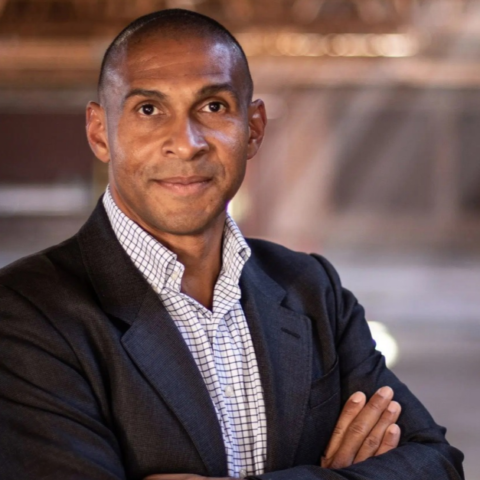
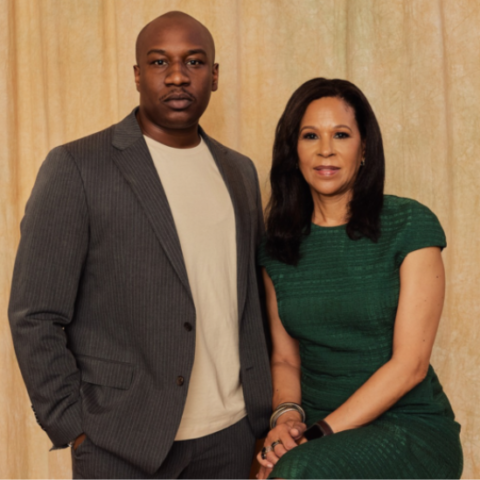
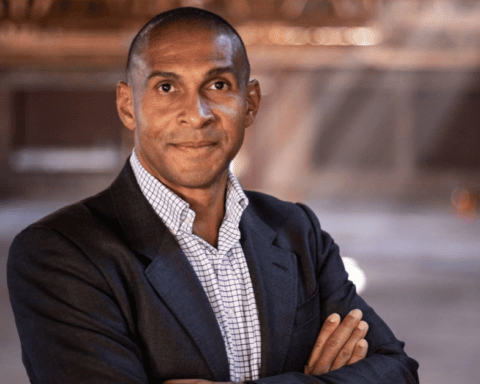
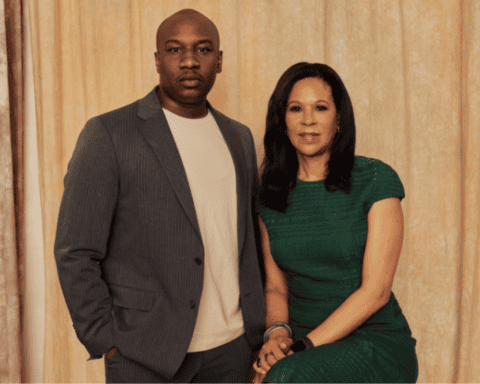
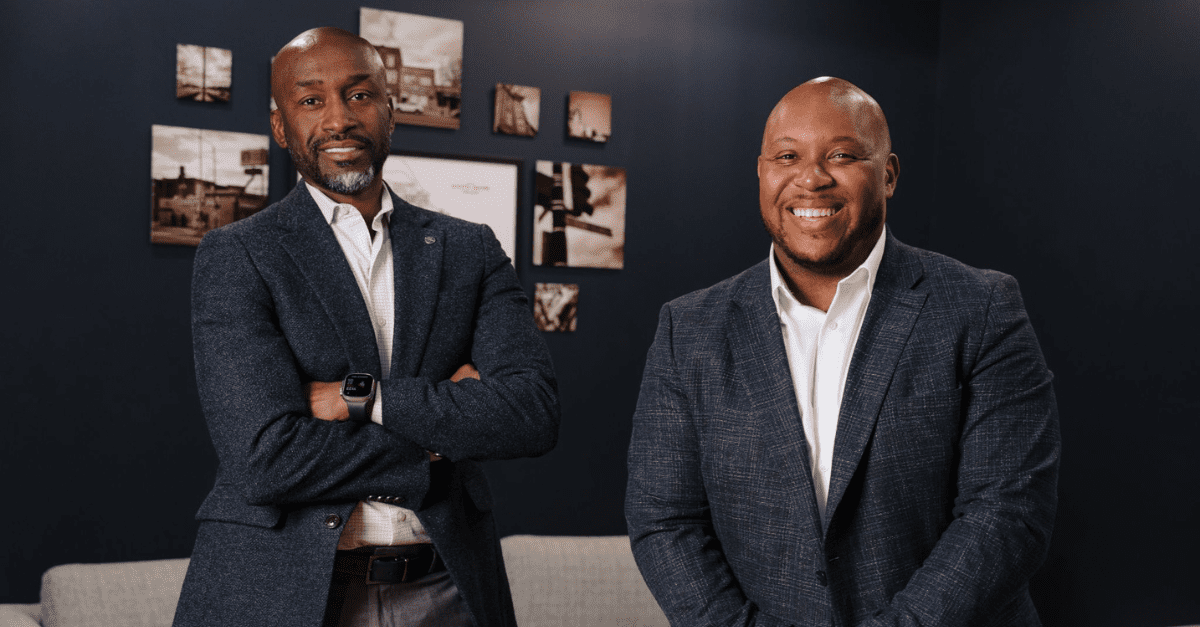
In May, the two formally joined as one organization, with Verity founder Markys Mackey describing the move as an opportunity to build greater scale together.
The acquisition expands BOWA’s footprint into one of the country’s fastest-growing construction markets while giving Verity access to greater financial and operational scale.
Why Florida, Why Now
Florida continues to see sustained investment in airports, healthcare facilities, schools, and other public infrastructure, projects that typically carry significant bonding requirements and favor contractors with greater financial capacity.
For BOWA, the acquisition adds an established operating platform in Florida, including local leadership, client relationships, an experienced workforce, and market credibility built over years of operating in the region.
For Verity, the combination expands access to financial resources, organizational depth, and the capacity to pursue larger institutional projects while preserving the relationships and reputation the company established in Central Florida.
The geographic fit also aligns with BOWA’s existing project portfolio. The company has extensive experience in aviation, healthcare, education, and civic infrastructure, sectors that continue to attract significant public and private investment across Florida.
A Repeatable Path
For decades, Black-owned construction firms have typically expanded by reinvesting profits, hiring, and winning progressively larger contracts. Building the financial capacity, bonding limits, management infrastructure, and geographic presence needed for the next tier of work often takes years.
Strategic acquisitions compress that timeline by combining balance sheets, operational expertise, regional relationships, and market access in a single transaction. BOWA and Verity combined complementary geographies, shared market focus, and aligned operating philosophies to create an organization capable of pursuing opportunities beyond the reach of either company independently.
Bonding capacity, financial strength, geographic reach, leadership depth, and client relationships are all factors that acquisitions can strengthen directly.
As more of the firms featured in our Black-Owned Construction Firms | Vol. 1 continue to scale, acquisitions offer a repeatable framework for building regional and national construction platforms.