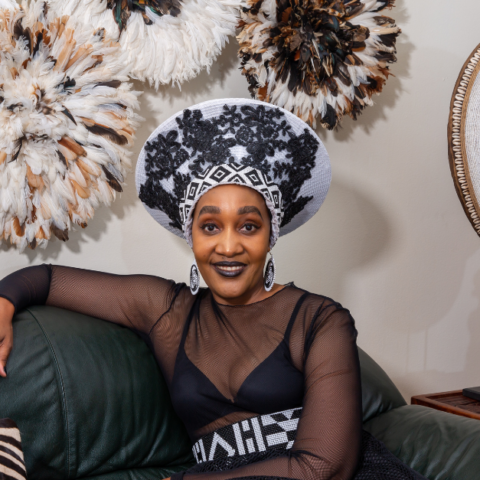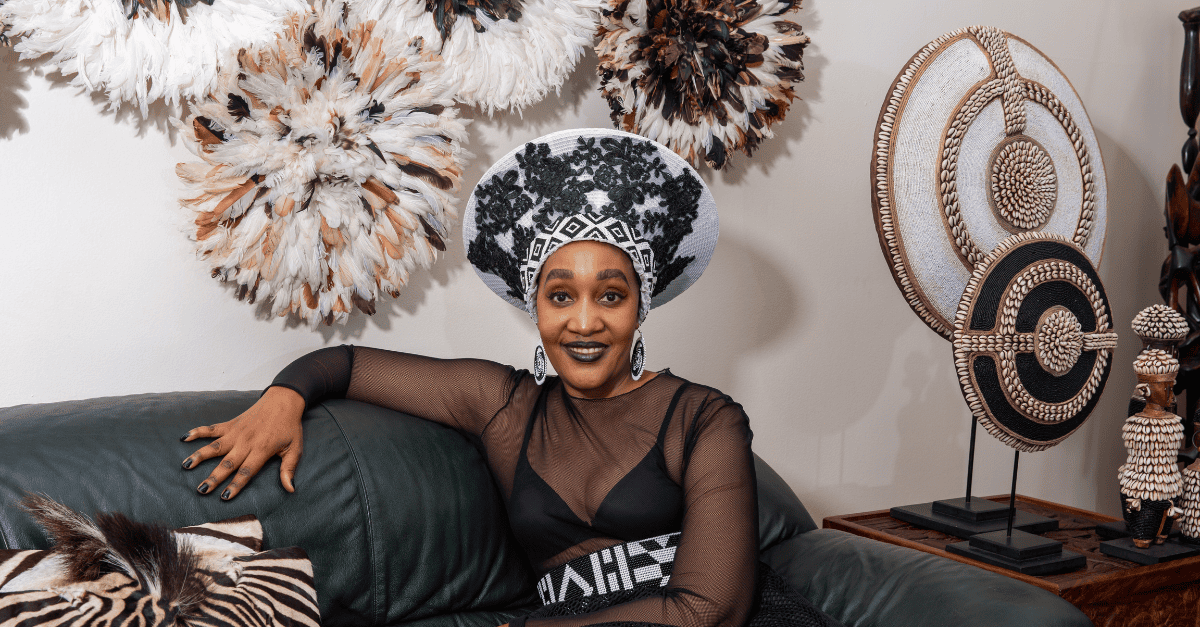
In 1996, Rose Luangisa paid $50 for a vendor space at Afrikan Family Day in Mount Vernon, New York.
She brought a collection of African artifacts her mother had sent from Tanzania, hoping to find buyers for pieces that had originally decorated her home.
The response surprised her. Visitors were drawn to the handcrafted sculptures and cultural objects, revealing a market for the African art she had grown up around.
That one-day event became the starting point for Luangisa African Gallery. The business initially operated under the name Out of Afrika Collection before evolving into Luangisa African Gallery.
Thirty years later, the family-owned business has developed relationships with more than 500 artisans across Africa, supplied products to museums and institutional retailers, and expanded into a three-property cultural campus in Mount Vernon.
The expansion has required considerable financial sacrifice. Luangisa and her family financed the development without institutional funding, including selling property and vehicles in Tanzania to help acquire and renovate neighboring buildings.
What began as a modest retail operation now encompasses African art, hospitality, cultural education, and a growing collection of artifacts intended for preservation.
A Family Business Rooted in Tanzania
Luangisa’s introduction to African craftsmanship began long before she became an entrepreneur.
Her mother operated a shop at the Mwenge Woodcarvers Market in Dar es Salaam, Tanzania, where she worked directly with artisans, including Makonde woodcarvers.
When Rose moved to the United States in 1987, she arrived with $200 and African artifacts sent by her mother.
In 1996, she decided to sell some of the pieces at a local cultural event. The positive response led her to establish what became Luangisa African Gallery.
As the business developed, her parents, sister Juliet, and other family members traveled across Africa to meet artisans, visit workshops, and source handcrafted products.
Those relationships eventually became the foundation of a sourcing network spanning East, West, Central, North, and Southern Africa.
Some of these relationships date back to her mother’s business in Tanzania, while others developed as Luangisa expanded its sourcing network across Africa. The family has maintained longstanding connections with artisans, in some cases spanning multiple generations.
The company works directly with producers, collaborating on designs, selecting materials, and monitoring craftsmanship from initial production through completion.
Women artisans play a significant role in the network, including Maasai beadworkers in Arusha, Tanzania, and Zulu and Ndebele artisans in South Africa.
Through retail and wholesale sales, Luangisa brings their jewelry, textiles, sculptures, home décor, and other handcrafted products to customers in the United States.
The Cost of Moving African Craft Across Borders
“Sometimes the cost of shipping is actually higher than the cost of the artifacts themselves!” Rose Luangisa explained.
For a business sourcing handcrafted products from artisans across Africa, international transportation, customs clearance, and rising production costs have become significant operational challenges.
Luangisa works with artisans across East, West, Central, North, and Southern Africa, coordinating orders, designs, and production through direct communication, including WhatsApp. Family members have also traveled to workshops and markets to maintain supplier relationships and oversee product sourcing.
The company previously consolidated products through shipping hubs in Tanzania and South Africa, importing collections in 20-foot containers. Following the COVID-19 pandemic, the business shifted primarily toward air freight, adding pressure to its import costs.
Despite rising expenses, Luangisa has maintained its retail prices. To offset some of the additional costs, the company reduced its wholesale discount from 50% to 40%.
Over the years, Luangisa has developed wholesale relationships with organizations including the Smithsonian, the New Orleans Museum, and the United Nations Gift Shop in New York.
Today, it continues to serve retail and wholesale customers through Luangisa.com, while working to expand its digital reach.
Beyond the financial pressures, Luangisa has watched master artisans pass away without successors trained in their specialized techniques. The gradual disappearance of certain forms of craftsmanship has made preserving existing artifacts an increasingly important part of her work.
That concern helped shape the company’s next major expansion.
Building a Cultural Campus Without Institutional Funding
For years, Luangisa envisioned establishing an African museum in Westchester County.
In 2024, two properties near the existing gallery became available within months of each other, creating an opportunity to bring several longstanding ideas together.
Her family acquired the properties and began transforming them into a cultural destination.
According to Luangisa, the family raised money through personal sacrifices, including selling properties and vehicles in Tanzania.
Her sister Juliet led the construction and renovation work, while her brothers helped with upkeep and maintenance.
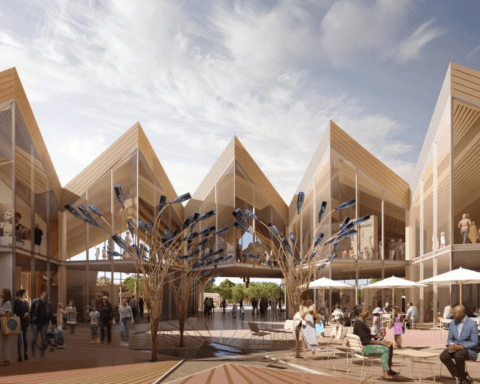
The result is the Luangisa Cultural Campus, comprising three locations on Hawthorne Terrace in Mount Vernon:
- Luangisa African Gallery, 374 Hawthorne Terrace: The original retail gallery, offering African art, sculptures, jewelry, textiles, fashion, and handcrafted home décor.
- Luangisa African House, 375 Hawthorne Terrace: An African art-inspired guest house established in 2024, offering accommodations and event rentals, with opportunities for professional photography and film productions.
- Luangisa African Museum and Cultural Arts Center (LAMCAC), 366 Hawthorne Terrace: A museum and educational facility that opened in 2025, dedicated to African art, history, and cultural preservation.
Visitors can purchase handcrafted products, explore African cultural heritage, participate in educational programs, and stay in accommodations designed around African art and hospitality.
The family is continuing to develop additional visitor experiences across the campus, with plans to expand cultural programming, tourism offerings, and partnerships.
Preserving More Than 4,000 African Artifacts
One of the museum’s most substantial assets is a collection of more than 4,000 African artifacts awaiting further documentation and preservation.
Some pieces were acquired through the family’s longstanding sourcing relationships. Others have been donated by individuals seeking a permanent home for inherited collections.
Luangisa hopes to photograph, catalog, archive, and eventually make more of the collection accessible through exhibitions, publications, and digital platforms.
The preservation effort is closely connected to the educational mission.
LAMCAC offers cultural programming for schools, families, seniors, and community organizations.
Its educational offerings include African storytelling, dance and drumming, Kiswahili language instruction, textile and fiber arts, traditional crafts, culinary experiences, and animation workshops.
Programs are designed for students from elementary through high school, with opportunities for museum visits and select activities delivered directly to schools.
According to Luangisa, museum exhibitions are free and open to the public, while educational programs and workshops have a nominal fee to help cover materials and compensate participating artists. This approach helps make African cultural education accessible to the broader community while supporting the artisans and cultural educators who share their knowledge and skills.
The museum also provides a setting for intergenerational learning, connecting younger participants with cultural traditions and artistic practices.
For Luangisa, the urgency comes from decades of firsthand experience working with artisans whose knowledge has not always been passed to younger generations.
The collection and educational programs are intended to help preserve that knowledge while introducing African history and craftsmanship to broader audiences.
The Challenge of Funding Cultural Preservation
While Luangisa’s family financed the acquisition and development of the Cultural Campus, securing outside financial support remains a challenge.
During her interview with Shoppe Black, Luangisa emphasized that the Luangisa African Museum and Cultural Arts Center was built entirely through family funding, without any institutional grants or financial assistance toward its construction.
The facility still requires infrastructure improvements, including the installation of an HVAC system to support year-round operations.
Luangisa previously applied for grant funding to address the need but was unsuccessful. She plans to reapply, although preparing applications without dedicated grant-writing assistance requires considerable time and resources.
Additional support would also help the museum document its collection, expand educational programming, and strengthen its preservation work.
Individuals and organizations interested in supporting the museum’s work can visit the Luangisa African Museum and Cultural Arts Center website to learn more about its mission and contact the organization about opportunities to contribute.
Connecting Culture, Community, and Commerce
The Cultural Campus also builds on Luangisa’s longstanding relationship with Mount Vernon.
In 2017, the organization launched its annual Wakanda Celebration, a community festival featuring African fashion, music, art, food, and cultural performances.
According to Luangisa, attendance has grown from approximately 500 people at the inaugural event to more than 3,000. The festival is approaching its 10th anniversary in 2027.
Luangisa is also developing cultural tourism opportunities, including a proposed trip to Tanzania in 2027.
The campus has several upcoming events and activities planned.
Its Annual Holiday Sale will take place December 5–6, 2026, from noon to 5 p.m., at the African Museum and Cultural Arts Center, featuring African art, jewelry, fashion, home décor, and handcrafted gifts.
A Kwanzaa celebration is planned for December 26, followed by MLK Weekend programs and workshops on January 16–17, 2027, and an opening reception for an exhibition focused on Congo in the first week of February 2027.
Visitors can find additional information about the gallery, campus, and upcoming activities through Luangisa’s website and the museum’s website.
The Next Chapter After 30 Years
Luangisa’s ambitions for the next decade include strengthening the gallery’s retail and wholesale operations, developing hospitality and cultural tourism, expanding educational programming, and securing resources to sustain the museum.
The family has already committed substantial resources to acquiring and developing the campus. The next phase will focus on expanding its reach, building partnerships, and making the museum’s collection more accessible.
For Luangisa, the work remains connected to the artisans whose craftsmanship helped establish the business.
“I always say that behind every African artifact is an artisan, a family, a community, and a story that deserves to be told,” she said in her written responses.
Thirty years after investing $50 in a community vendor space, Luangisa is working to preserve those stories through a business and cultural institution intended to serve future generations.