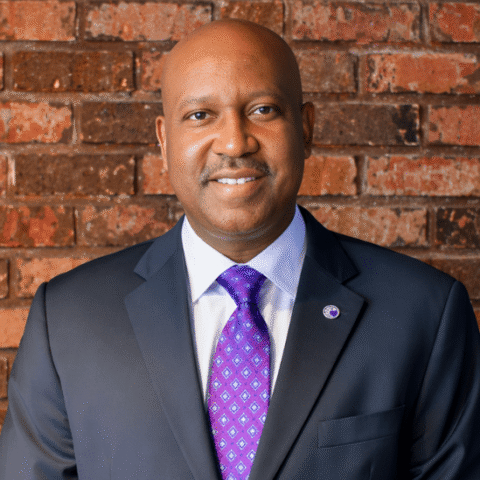
In 2004, Damian Mills acquired Classic Ford in Smithfield, North Carolina.
More than two decades later, Mills Automotive Group has expanded to more than 40 dealerships across seven states, representing approximately 30 automotive brands.
The company generated $500 million in revenue in 2025, according to the Charlotte Business Journal’s ranking of Black-owned businesses, where it ranked first among 52 companies.
Its growth has involved acquisitions across domestic, import, and luxury franchises, with an emphasis on geographic fit, financing relationships, and operating performance.
From Automotive Sales to Dealership Ownership
Mills entered the automotive industry while attending North Carolina A&T State University, beginning in sales at Crown Dodge in Greensboro. He advanced through finance and general management before becoming a partner in Crown Automotive Group in 1998.
Following Crown’s acquisition by Asbury Automotive in 2000, Mills moved into a sales leadership position overseeing more than 20 dealerships across three states.
In 2004, he acquired Classic Ford through Ford’s dealer development program, using personal savings and manufacturer financing. The purchase required a substantial pay cut as he transitioned into ownership. Mills later said he repaid the Ford loan in approximately two years.
His second acquisition came in 2006, when he purchased a Chrysler dealership in Fort Mill, South Carolina, extending the business beyond North Carolina.
Expanding Through the Financial Crisis
The 2008–2009 financial crisis tested Mills Automotive Group during its early years. Chrysler’s restructuring placed Mills’s franchise at risk, while deteriorating economic conditions pressured dealership sales and access to credit.
Mills responded by reducing operating expenses, expanding used-vehicle sales, and consolidating positions through employee attrition. Established banking relationships also helped finance additional dealership purchases at discounted prices.
The company retained its Chrysler franchise and expanded into Ford, Lincoln, Nissan, Chevrolet, and Fiat dealerships. Revenue across Mills’s dealerships increased 52% between 2009 and 2010, according to Black Enterprise.
The downturn also created acquisition opportunities as financially distressed dealerships became available. Mills pursued additional purchases while maintaining the performance of his existing operations.
By 2019, Mills Automotive Group had grown to 14 dealerships across four states and was named Black Enterprise’s Auto Dealer of the Year.
How Mills Evaluates Dealership Acquisitions
Brand selection, geography, financing costs, and potential operating efficiencies have influenced Mills Automotive Group’s acquisition decisions.
During a March 2023 appearance on The Presidio Group’s Full Throttle podcast, Mills identified brand and geographic fit as requirements for potential purchases. He described a strategy focused on maintaining a balance of domestic, import, and luxury franchises while targeting growing markets.
The group’s acquisition of three dealerships from Tysinger Motor Company in Hampton, Virginia, illustrates that approach. The transaction added Mercedes-Benz, Audi, and Hyundai/Genesis franchises, strengthening its presence in the Hampton Roads market. Presidio advised on the transaction.
At the time of the interview, Mills Automotive Group had expanded to 20 dealerships across four states.
Acquisition pricing was another consideration. Mills discussed the impact of higher borrowing costs and the normalization of dealership earnings following the unusually profitable pandemic period. Sellers’ valuation expectations could remain tied to elevated historical profits even as margins and financing conditions changed.
Those considerations remain relevant in today’s dealership acquisition market.
According to Haig Partners’ Q2 2026 analysis, the number of U.S. dealerships acquired increased 14.3% during the first half of 2026, while the number of transactions rose 3.2%. Five transactions involving at least five dealerships each were completed during the period, compared with none a year earlier.
Dealership valuations also remain elevated. Haig Partners estimated the average blue-sky value per dealership owned by publicly traded groups at $18.2 million for the 12 months ended in Q2 2026, compared with $8.3 million in 2019. Blue-sky value represents dealership goodwill, separate from tangible assets such as property and inventory.
For acquiring dealer groups, elevated valuations increase the importance of assessing sustainable earnings, financing costs, and potential operating efficiencies before completing a purchase.
Building a Multistate Dealership Network
Mills Automotive Group’s current operations span North Carolina, South Carolina, Virginia, Georgia, Louisiana, West Virginia, and Kentucky.
The company’s dealership directory advertises 43 locations and describes the network as more than 40 stores. Its footprint includes regional concentrations around Charlotte and Hampton Roads, alongside operations in markets such as Greensboro, Columbia, Greenville, New Orleans, and Shreveport.
Several locations illustrate how the company has assembled multiple franchises within individual markets.
In Hampton, Virginia, Audi, Mercedes-Benz, Hyundai, and Genesis operations are listed at the same address on Neil Armstrong Parkway. In Fort Mill, South Carolina, the company’s Stateline operations represent Chrysler, Dodge, Jeep, Ram, Fiat, Alfa Romeo, and Maserati franchises at the Gold Hill Road property.
These arrangements place multiple automotive franchises within the same commercial locations. They also align geographically with Mills’s stated interest in acquisitions that complement the existing dealership network, although the company does not publicly disclose the operating savings associated with these arrangements.
The portfolio serves customers across a broad range of vehicle price points. Its franchises include mainstream manufacturers such as Ford, Toyota, Honda, and Kia, alongside premium and specialty brands including BMW, Mercedes-Benz, Porsche, Bentley, and INEOS Grenadier.
The group’s website also allows customers to search inventory across its dealership network and arrange transfers to a nearby Mills location. This gives individual stores access to a broader vehicle selection than their own on-site inventory.
Managing Dealership Profitability
Operating a multistate dealership network requires attention to vehicle margins, employee productivity, inventory financing, and expense management.
Mills’s management practices have included tracking gross and net results per employee, developing dealership managers, and linking incentives to performance.
Changing inventory conditions have added another operational consideration.
During pandemic-era vehicle shortages, limited supply supported unusually strong selling margins. As vehicle availability recovered, customers gained more choices and dealerships faced greater competition for sales.
In his Full Throttle interview, Mills emphasized preparing employees for that transition and returning to established selling practices as market conditions normalized.
He also identified higher interest rates, vehicle affordability, and inventory financing expenses as pressures affecting dealership operations.
These conditions influence how dealerships manage vehicle inventory, maintain sales productivity, and protect margins. They also affect the earnings assumptions used when evaluating potential acquisitions.
Mills Automotive Group’s network includes service, parts, and financing operations alongside vehicle sales, giving the company multiple sources of revenue across its locations.
Expanding Ownership Opportunities
Mills has also participated in efforts to increase minority representation in dealership leadership and ownership.
As a former president of the Chrysler Minority Dealers Association, he helped establish the Future Dealers Alliance to prepare prospective minority dealership leaders. He has also served as chairman of the National Association of Minority Automobile Dealers.
Through these organizations, Mills has advocated for consistent manufacturer commitments to minority dealership ownership, including the development of qualified candidates and greater access to franchise opportunities.
Help Us Get to Know Our Readers
We’re learning more about the people and businesses that make up the Shoppe Black community. Complete our short reader survey to help us deliver more relevant business news, resources, and stories.
Get Listed in the Shoppe Black Directory
Shoppe Black is building a curated directory of Black-owned businesses. If you’d like your company considered for inclusion or want to inquire about being featured, submit your business for consideration.