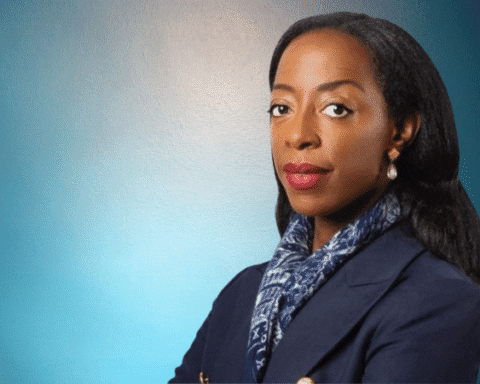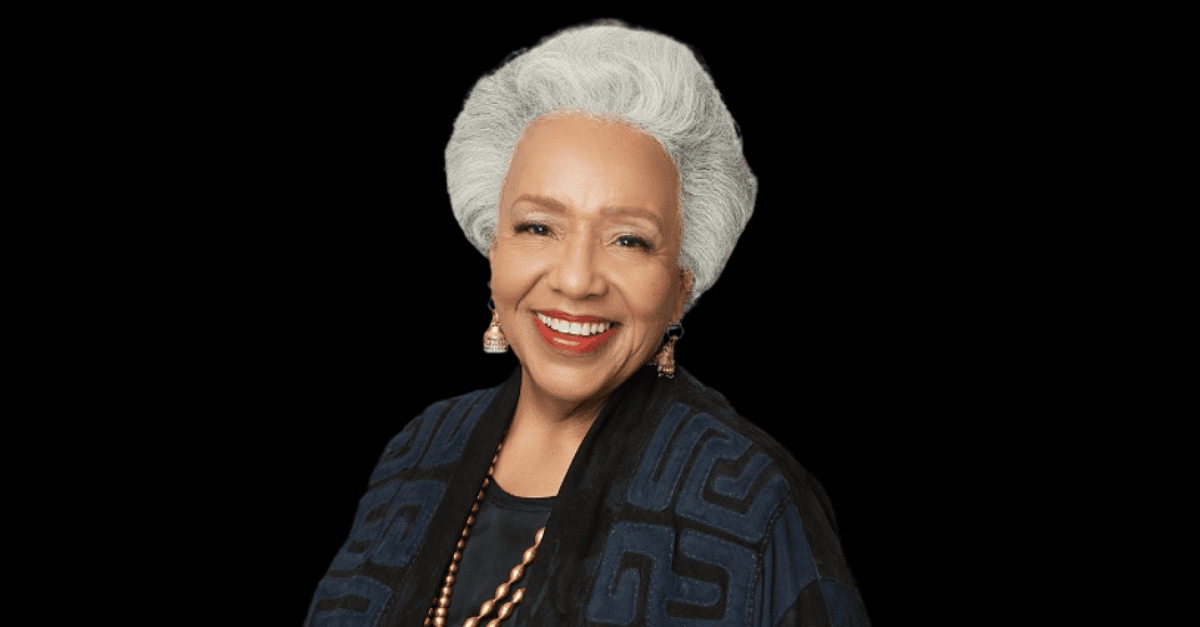
In 1982, Lola C. West bought a painting by Norman Lewis from New York art dealer Peg Alston.
Afterward, according to Westfuller’s account of the story, people would occasionally greet West as “Ouida,” mistaking her for Lewis’s wife, Ouida Lewis.
More than two decades later, while West was working at Merrill Lynch, she told the story to a client. That conversation led to an introduction to Tarin Fuller, Ouida Lewis’s daughter. Tarin’s son, Ian Fuller, would eventually become West’s mentee and business partner.
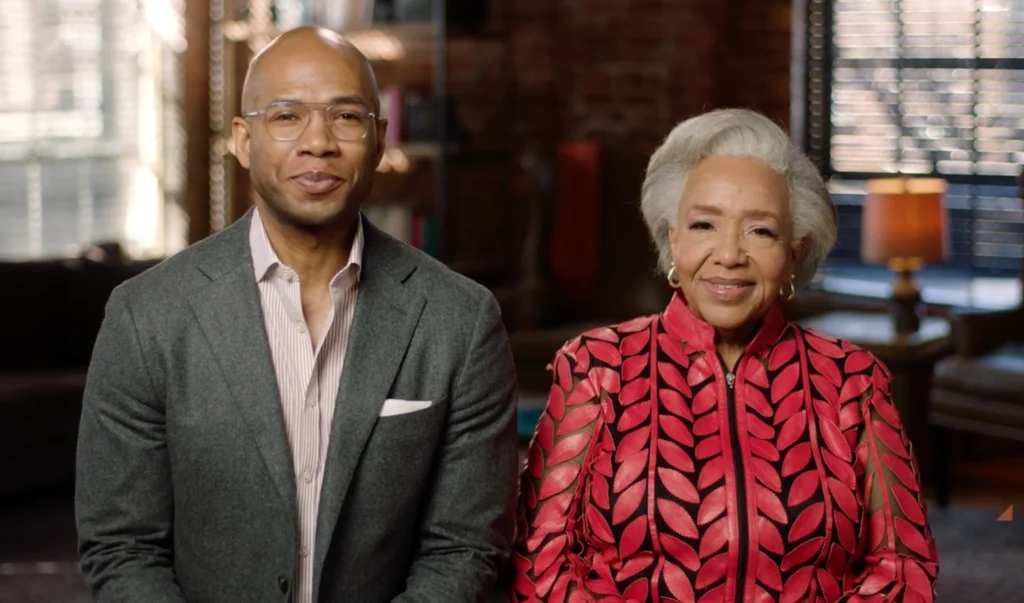
The connection that began with a painting became part of the origin story of Westfuller, the investment advisory and wealth management firm West and Fuller later built together.
Today, the firm manages approximately $3.37 billion in assets, with charitable organizations accounting for nearly 89% of its assets under management.
West’s path to Wall Street had already taken several turns.
She studied psychology at Brooklyn College and later earned a master’s degree in urban planning from Hunter College. She worked in health administration services and spent 11 years helping rehouse people with disabilities. In a 2022 interview with BankBlackUSA, West recalled growing from responsibility for one facility to seven properties.
Her departure came after a colleague she had trained was promoted over her.
Looking for her next move, West turned to What Color Is Your Parachute?, the career book that has spent decades helping readers identify their skills and potential paths. The exercise pointed her toward fundraising and event production.
West launched Dean Sayles Enterprises, a fundraising and event-planning company. Her biography credits her with developing a U.S. fundraising-event strategy connected to Nelson Mandela’s 1994 election, while Westfuller describes the work as a fundraising strategy used during his presidential run.
Her client list eventually included figures and organizations such as Jessye Norman, August Wilson, the Studio Museum in Harlem, the National Urban League, UNCF, the NAACP and the Boys Choir of Harlem.
In December 1996, West served as event coordinator and fund developer for Jessye Norman Sings for the Healing of AIDS, a benefit at Riverside Church in New York for The Balm in Gilead. The event brought together Norman, Maya Angelou, Toni Morrison, Elton John, Whoopi Goldberg and other prominent artists and cultural figures.
By 2000, West had made another career change, entering wealth management at Merrill Lynch.
Mentor and Mentee
Ian Fuller joined Merrill Lynch in 2005.
West became his mentor. In a 2026 Swimming with Allocators interview, Fuller said West “saw me before I saw myself.”
At the time, Fuller expected to follow a more conventional Wall Street trajectory. He has said he imagined remaining at Merrill Lynch and potentially becoming a managing director.
Then came 2008. The financial crisis reshaped the financial industry, and Merrill Lynch was sold to Bank of America. For West and Fuller, it also disrupted the career path they had been building inside the firm.
They left Merrill Lynch in 2009 and pursued independence.
Their earlier attempt at wealth management entrepreneurship failed. Fuller later described it as one that “sort of blew up fabulously.”
West and Fuller regrouped with new partners and continued building. Westfuller identifies 2011 as the founding year of the firm in its current form.
By September 2017, Westfuller reported approximately $57.1 million in assets under management.
The next phase of its growth would increasingly involve institutional capital.
From $57 Million to $3.37 Billion
In 2020, the Nathan Cummings Foundation began searching for a new outsourced chief investment officer (OCIO) provider. More than 40 providers responded to the search, according to Proximate.
The winning proposal came through Bivium Westfuller, a joint venture between Westfuller and Bivium Capital Partners. Nathan Cummings later became Westfuller’s first foundation client, according to Proximate, and formally announced its selection of Bivium Westfuller in 2021.
The relationship represented a significant expansion into institutional investment management. Nathan Cummings later said it structured the engagement to provide the joint venture with more resources upfront to build its team and capabilities.
Westfuller has continued to expand its institutional business since then. As of December 31, 2025, the firm managed approximately $3.37 billion, up from roughly $57 million reported in 2017.
Charitable organizations now account for nearly 89% of the assets the firm manages.
Westfuller describes itself as Black-majority, woman- and LGBTQ-owned. West serves as co-founder, chairwoman and chief culture officer. Fuller is co-founder and CEO.
More than four decades after West bought the Norman Lewis painting, a chance connection surrounding it remains part of Westfuller’s origin story.