Luxury hospitality is rarely defined by a single experience. A memorable dinner, a thoughtfully curated wine list, or a premium flight reflects the work of entrepreneurs operating across different parts of the industry.
Increasingly, those experiences are connected through partnerships that allow brands to reach new audiences across restaurants, travel, and hospitality.
The collaboration between chefs, sommeliers, and winemakers shows how hospitality partnerships can create new opportunities for Black-owned brands to reach consumers.
One example can be found in the relationships connecting Chef Kwame Onwuachi, Master Sommelier Chris Gaither, and two pioneering Black-owned wineries.
Curating a Luxury Dining Experience
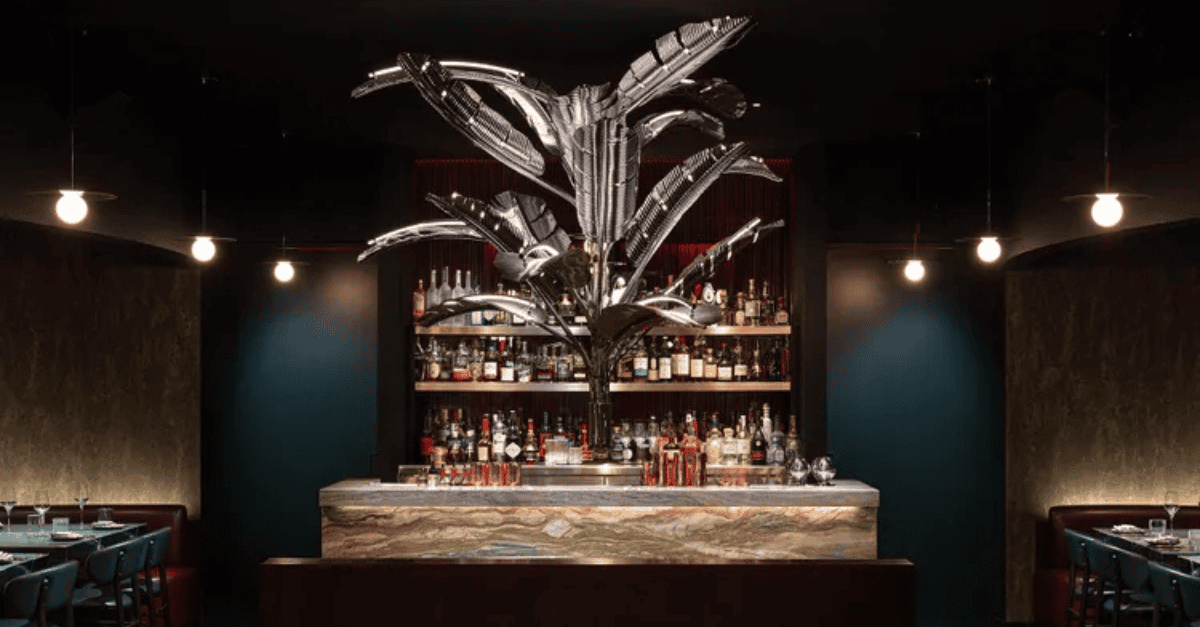
When Kwame Onwuachi opened Maroon in Las Vegas, the restaurant reimagined the traditional American steakhouse through the flavors and techniques of the Afro-Caribbean diaspora.
The restaurant’s wine program, led by Chris Gaither, complements that vision by highlighting producers of color, women winemakers, and sustainable vineyards from both Old World and New World wine regions.
That approach is evident throughout Maroon’s wine list. In an interview with Wine Spectator, Chris Gaither highlighted Maison Noir Wines’ OPP Pinot Noir as a staff favorite, noting that it pairs with Chef Onwuachi’s fried rice and peas.
He also pointed to Brown Estate‘s Chaos Theory Red Blend, which has become so popular with the restaurant’s rum-washed, dry-aged steaks that Maroon “can’t keep it in stock.”
Together, those selections illustrate how curated wine programs can introduce guests to premium Black-owned wineries while creating commercial opportunities for the producers behind the bottle.
Brown Estate’s Journey From Napa Valley to Delta One
For Brown Estate, hospitality partnerships have been part of the winery’s growth for years.
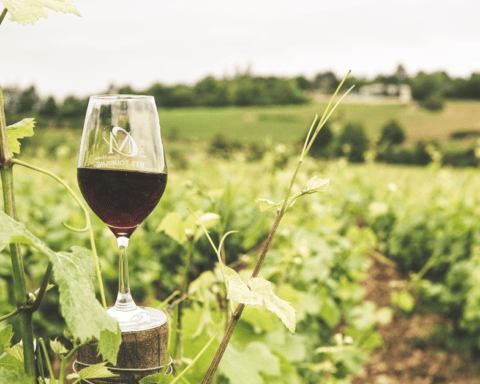
The Brown family arrived in Napa Valley in 1980, farming their land for more than a decade before releasing Brown Estate’s first Zinfandel in 1996. Since then, the winery has become one of Napa Valley’s most recognized independent producers.
One of its signature wines, Chaos Theory, began as a limited blend created for the 2004 Premiere Napa Valley trade auction before becoming a permanent part of the winery’s portfolio.
In 2019, Delta selected Brown Estate as part of its supplier diversity initiative, featuring the winery’s Betelgeuse Sauvignon Blanc and Chaos Theory Red Blend in its Delta One wine program. The relationship demonstrates how premium hospitality platforms can introduce independent brands to new audiences.
Today, Chaos Theory continues to be featured in Delta One, alongside placements in restaurants such as Maroon, giving travelers and diners multiple opportunities to discover the brand.
Building Recognition for Black-Owned Wine
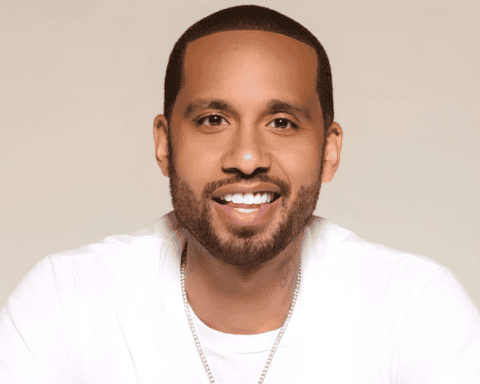
Founded by former sommelier André Hueston Mack, Maison Noir Wines has built a reputation by combining distinctive branding with wines sourced from the Pacific Northwest.
The inclusion of its OPP Pinot Noir at Maroon reflects how restaurant wine programs can create visibility for independent producers while introducing guests to brands they may not have previously encountered.
As restaurants continue to curate more intentional beverage programs, wine lists are becoming an important channel for discovery, allowing independent wineries to build relationships with consumers through hospitality experiences.
Building an Ecosystem Across Hospitality
Viewed individually, these developments are noteworthy. Together, they reveal how Black entrepreneurs are building connections across multiple segments of luxury hospitality.
A chef creates a destination restaurant. A Master Sommelier develops a wine program that reflects the restaurant’s values. Independent wineries gain visibility through thoughtful placements.
A major airline introduces those wines to premium travelers at 35,000 feet, extending discovery beyond restaurants and tasting rooms.
Each relationship reinforces the next. These entrepreneurs are contributing to an ecosystem that spans restaurants, wine, and travel.
Through partnerships across hospitality, they are expanding opportunities for Black-owned brands while offering consumers new ways to experience premium products and services.