The eyewear category does not operate like most consumer goods markets.
Products move through independent optical practices and specialty retailers that are supplied almost entirely by a small number of distributors.
Getting a frame onto a retail shelf is not a function of how good the product is. It is a function of whether the brand has access to the distribution infrastructure those retailers buy from.
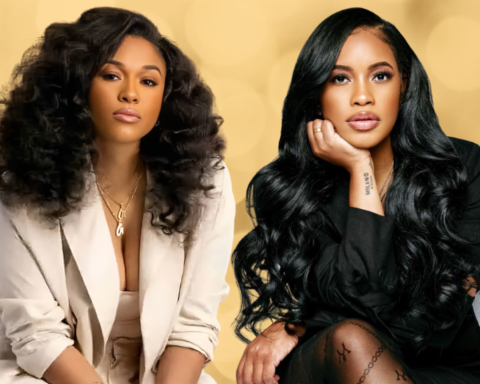
This is the structural reality that makes the licensing agreement between Coco & Breezy Eyewear and Europa Eyewear worth examining. The agreement places the Coco & Breezy collection inside Europa’s independent optical distribution network, giving the brand access to the retail channel where specialty eyewear lines are actually purchased and stocked.
The mechanics of that transaction reveal something relevant to any founder building a consumer brand with legitimate scale ambitions.
The Market Problem Licensing Solves
Consumer brands in fashion-adjacent categories face a consistent structural barrier. Design, marketing, and audience development are achievable with relatively modest capital. Manufacturing at scale, managing wholesale accounts across hundreds of retail locations, and sustaining the operational infrastructure those accounts require are a different category of challenge entirely.
For most independent brands, these functions would require significant capital investment, an experienced sales organization, and established relationships with buyers who already have preferred vendor lists. Licensing agreements exist because that gap is real and because distributors have economic incentive to fill it.
A licensing partner brings the operational platform: manufacturing relationships, a national sales force, logistics, and existing retail accounts. The brand brings design identity, cultural credibility, and an established consumer following. When the match is right, both parties access something they could not efficiently build on their own.
This is not a new model. It has structured how brands operate in eyewear, fragrance, and accessories for decades. What makes the Coco & Breezy announcement notable is not the deal structure itself. It is who is doing it and what it signals about the conditions under which Black-owned consumer brands can reach national distribution.
Why Europa Made This Decision
Licensing decisions at distributors like Europa are evaluated against a specific set of criteria. Portfolio fit matters: does the new brand extend the distributor’s reach into a consumer segment or aesthetic category that is currently underrepresented? Coco & Breezy brings a unisex design identity with a strong foothold in fashion and culture — a profile that addresses a gap in how most optical distribution portfolios are assembled.
Retail performance potential also matters. Optical retailers make stocking decisions based on whether a brand comes with a built-in consumer story. Coco & Breezy has spent over a decade building that story through design, music, and cultural positioning. That track record reduces the adoption risk for retailers considering the line.
The third factor is founder credibility. Corianna and Brianna Dotson have operated their brand with enough consistency that the identity has held across multiple years and market cycles. That operational durability is not common among independent brands at this stage, and it matters to distributors evaluating long-term partnerships rather than short-term licensing plays.
Together, these factors explain why the partnership made economic sense for Europa. Worth noting is that Coco & Breezy was previously distributed through ESE International. The move to Europa represents a transition to a larger distribution platform, with Europa committing to service continuity for existing retail accounts during the handoff. The brand earned the deal by building real infrastructure: audience, design consistency, and market presence over time.
What the Deal Does and Does Not Guarantee
Licensing agreements create access. They do not guarantee outcomes. Placement inside a distribution network means the collection is available to retailers that partner with Europa. Whether those retailers stock it, how much floor space they allocate, and whether the product moves depends on factors the licensing agreement cannot control.
There is also the question of brand integrity under a licensing structure. When a partner manages manufacturing and distribution, they make operational decisions that affect how the product reaches the consumer. Pricing strategy, retail placement, and product standards all fall within the partner’s operational domain. If those decisions diverge from what built the brand’s identity, the licensing arrangement can erode the same equity it was designed to extend.
This is why the terms of a licensing agreement matter as much as the partner. Revenue share structures, creative approval rights, and category exclusivity provisions determine how much control the founding brand retains over decisions that shape consumer perception.
The specific terms of the Coco & Breezy and Europa agreement have not been publicly disclosed. What is clear is that any founder evaluating a similar deal should understand these dimensions before signing.
The Larger Pattern
The Coco & Breezy situation reflects a sequence that appears frequently across consumer markets. Cultural credibility is built first. Distribution infrastructure follows later, often through a partner that already controls the channels the brand needs to access. The sequence is not accidental. It reflects where capital and operational infrastructure tend to sit in most consumer categories.
The practical implication for founders is that brand equity — the kind built through design consistency, audience trust, and cultural relevance over time — functions as negotiating currency in partnership conversations. Europa did not approach Coco & Breezy because the brand needed help. It approached them because the brand had built something that the distributor’s existing portfolio did not have.
That is the argument for investing in brand positioning before chasing distribution. When the distribution infrastructure comes looking, the founder’s leverage in structuring the deal is directly proportional to the strength of what they have already built.
In the independent optical channel specifically, where distributor relationships determine shelf access, that leverage is the difference between being considered and being stocked.
Shoppe Black publishes editorial features on founders and operators building companies across professional services, consumer products, and related sectors.
Interested in a feature? Submit an inquiry