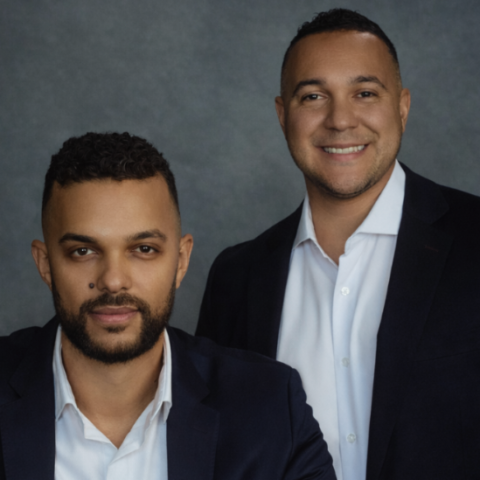
The Doux is a textured haircare brand that generated $38 million in sales and $7.3 million in EBITDA in 2025.
At that scale, cash goes out before it comes back. Across six retail accounts, that cycle runs simultaneously, increasing the working capital required to sustain it with each one added.
Mass retailers like Target and Walmart require substantial inventory volume upfront but typically pay on net 60 to 120-day terms.
Manufacturers expect payment within 30 days, freight is paid on delivery, and fulfillment centers collect their fees on schedule regardless of when retailer payments arrive.
The inventory sitting on Walmart shelves today was manufactured and shipped months earlier, while the next production cycle is already being funded.
This is not a cash flow management failure. It is the structural reality of wholesale retail at scale. Maya Smith described the transition into mass retail as a reckoning with minimum order quantities, production timelines, and the loss of operational agility that came with being chain-wide at major retailers.
At $38 million in sales distributed across national retail, inventory decisions carry multi-million dollar commitments and lead times measured in months.
What Private Equity Solves at This Stage
Terms of the deal were not disclosed, but this type of investment follows a consistent pattern: capital enters once retail traction is established, and the constraint shifts to supporting scale.
The capital provides the working capital buffer required to fulfill retail commitments at scale without compressing margins to finance inventory.
Maya Smith noted that maintaining the integrity of The Doux was the central condition and that VMG’s approach has been to let the founders continue leading the brand.
The Systems Layer the Balance Sheet Enables
Mass retail accounts for 60 to 70 percent of The Doux’s sales. The brand is simultaneously building its ecommerce business with exclusive products on Amazon and its own site, with a dedicated team managing product assortment across those channels.
Retail replenishment runs on purchase orders, routing guides, and EDI (electronic data interchange) compliance, with lead times set by the retailer.
DTC runs on demand signals that move faster, SKU flexibility that retail cannot accommodate, and fulfillment cycles measured in days rather than weeks.
Running both simultaneously means inventory is being allocated across conflicting demand signals, replenishment timing has to account for warehouse position across channels, and a stockout in one channel cannot be resolved by drawing from the other.
Which orders get fulfilled from which inventory, how replenishment signals move between retail accounts and the warehouse, and how multichannel operations stay synchronized without creating imbalances is a systems problem that capital alone does not resolve.
The VMG deal makes the capital layer visible. The fulfillment and systems layer is where the next phase of the business gets built.
Firms and platforms operating inside this layer engage with Shoppe Black to position how they are evaluated across retail growth, inventory financing, and financial operations.
Inquiries can be submitted here.