By Tony Lawson
Revenue in a single-use hospitality asset is constrained by occupancy and seasonality.
That constraint is pushing properties to structure themselves around multiple demand sources that operate across different timeframes and use cases.
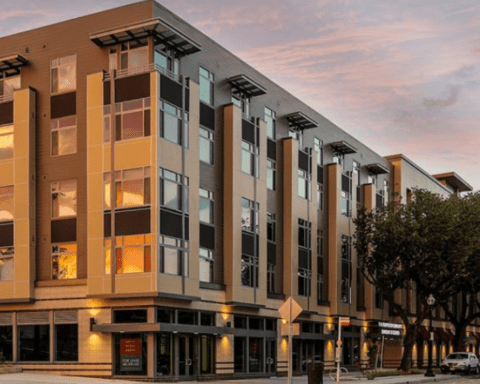
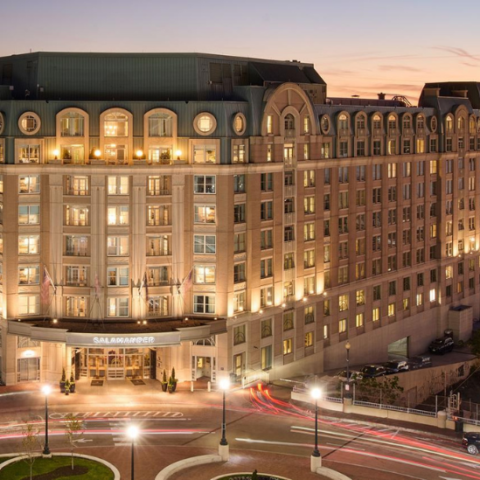
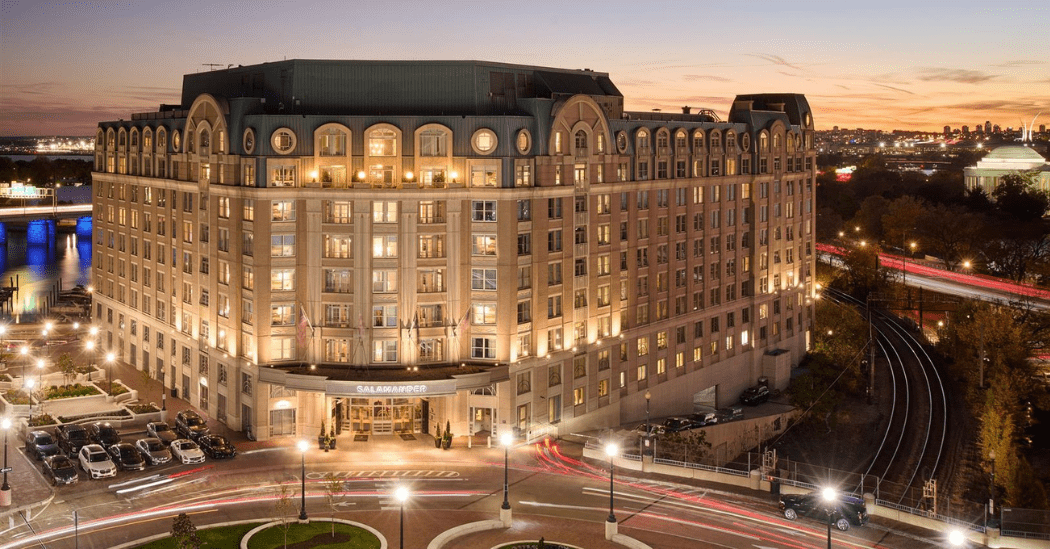
Salamander DC operates within that structure. The property is organized across accommodations, dining, spa, activities, meetings, and events.
These are not presented as amenities. They function as a system that determines how often the asset is used, who enters it, and how revenue is generated across the day and throughout the week.
Physical Space and Program Design
The building is structured to support multiple forms of activity at once. Public areas, dining environments, and shared spaces are designed to hold both guest and non-guest usage.
Entry points into the asset are not limited to overnight stays. Circulation allows visitors to move through dining, wellness, and event spaces without friction.
Dining environments are positioned to operate throughout the day. Event and meeting areas are integrated into the broader layout rather than isolated.
Wellness infrastructure is built as a standalone environment within the asset. These decisions determine whether different demand types can operate simultaneously and reinforce each other.
Demand Is Structured Across Distinct Operating Categories
The property captures multiple forms of demand that operate on different schedules, price points, and usage patterns.
Accommodations provide the baseline. Room inventory anchors the asset with consistent overnight demand and establishes a predictable revenue floor.
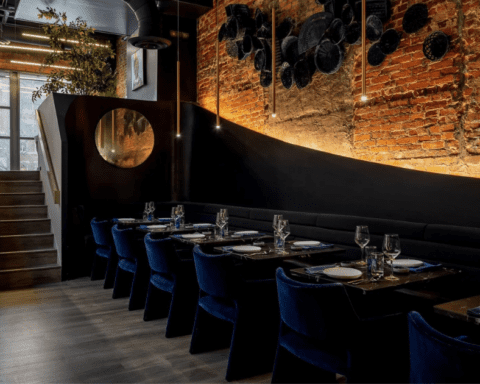
Dining introduces a separate stream of activity. Within this layer, Dōgon functions as a primary entry point into the asset. It attracts local and destination diners who engage with the property without booking a stay.
The presence of Kwame Onwuachi contributes to how frequently the property is visited and how it is perceived within the market.
Spa and wellness operate as appointment-based demand. This layer generates repeat usage from both guests and local audiences, creating revenue that is not tied to occupancy or dining cycles.
Activities extend how long guests remain inside the asset. These offerings increase dwell time and reinforce usage across other categories.
Meetings introduce corporate demand. This layer drives weekday utilization, bringing in groups that use the property for structured, business-oriented activity.
Weddings and events create concentrated bursts of traffic. These gatherings bring in new audiences, generate high-volume food and beverage activity, and often convert into additional room bookings.
Each category fills a different part of the usage cycle. Together, they allow the asset to remain active across mornings, evenings, weekdays, and weekends without relying on a single demand source.
Performance Across the Asset
When these categories are aligned, the asset captures layered value. Overnight guests contribute baseline revenue. Dining draws in external traffic. Wellness creates repeat visits. Meetings and events introduce scale.
This structure increases how frequently the property is used and how many revenue streams are active at once. It diversifies performance across time of day, day of week, and customer type, which reduces reliance on any single category.
A Repeatable Structure
The Salamander model reflects a broader approach to asset programming. The physical design supports multiple uses. Operating categories activate the asset and shape how it performs over time.
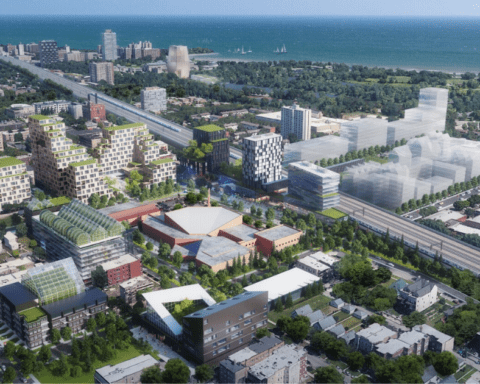
This structure is being applied across commercial properties where hospitality and retail are used to extend usage and capture external demand. Assets are organized to function as environments rather than single-purpose buildings.
Shoppe Black is building a curated directory of Black-owned businesses across the industries documented on this platform. Inquiries can be submitted here