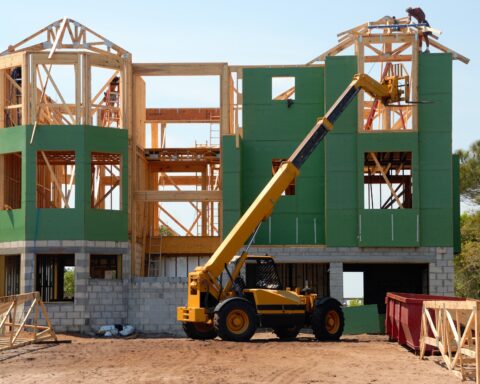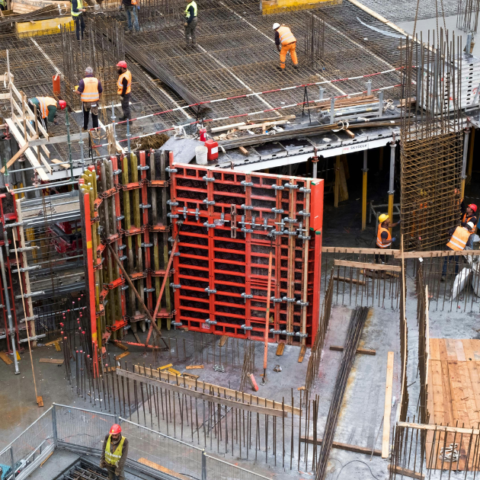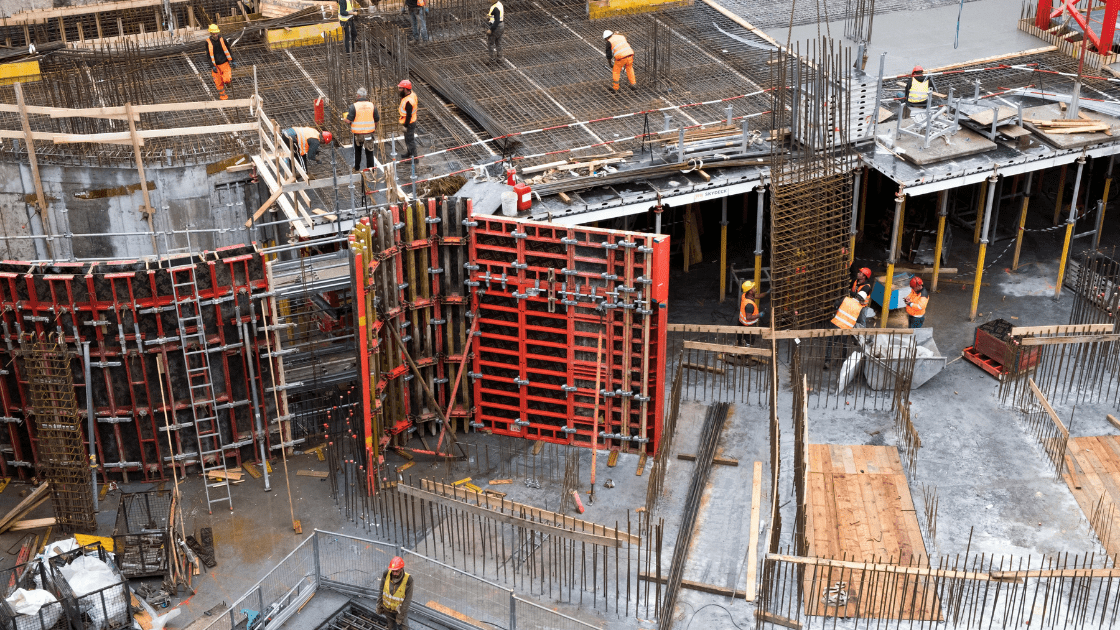
Construction projects operate as financial coordination systems. Execution on site depends on how capital is structured, released, and validated through documentation. Capital flow determines project velocity. Documentation determines whether capital moves.
When coordination breaks, costs begin to accumulate immediately. Delays extend timelines. Carrying costs increase daily. Tension builds across owners, contractors, and capital providers.
Understanding how capital moves through a project determines whether execution remains stable from start to finish.
How the Capital Stack Gets Assembled
Before construction begins, the project is structured through a combination of equity and debt.
Equity is deployed first. Land acquisition, pre-development, design, and early soft costs are funded before any loan is activated. Once required equity thresholds are met, the construction loan begins funding the project.
Loan proceeds are released in stages tied to verified progress. This structure forms the draw schedule.
From this point forward, capital flow is governed by performance, verification, and documentation across multiple parties. Visibility into how capital is deployed becomes distributed across developers, contractors, lenders, and inspectors.
Fragmentation at this stage introduces early misalignment between capital expectations and execution.
How Draw Schedules Control Capital Flow
The draw schedule governs how money moves throughout construction. Each phase of work corresponds to a defined funding release.
When a milestone is reached, the general contractor submits a draw request. That request includes invoices, percentage completion tracking, lien waivers, and supporting documentation validating completed work.
Lenders verify progress through inspections before releasing funds. Draw approval timelines determine whether projects maintain momentum.
Incomplete documentation, mismatched reporting, or missing approvals extend review cycles. Capital remains unreleased during this period. Crews slow or stop work. Subcontractors delay performance. Interest, insurance, and overhead continue to accrue daily.
Extended draw timelines introduce measurable financial exposure. On larger projects, delays can translate into significant unplanned carrying costs before resolution.
Draw cycles define where teams lose operational clarity. Requirements for capital release vary across lenders, jurisdictions, and project structures, creating gaps between reported progress and approved funding.
The Schedule of Values as the Financial Control System
Every project is tracked against a schedule of values. This document allocates budget across all scope categories and records how capital is deployed relative to completion.
Lenders rely on it to evaluate whether the project remains within budget. Developers rely on it to evaluate contractor billing against actual progress.
Discrepancies between cost and completion introduce immediate risk.
Front-loaded costs without corresponding progress signal budget imbalance. Overruns at the line-item level shift cost-to-complete projections. Lenders may require additional equity contributions before continuing funding.
These shifts occur while work continues on site. Financial exposure accumulates before formal intervention occurs.
Alignment between budget, progress, and remaining capital determines whether the project remains financeable through completion.
Where Change Orders Introduce Compounding Risk
All projects experience scope changes. Material substitutions, site conditions, and design revisions alter both cost and schedule.
Each change order modifies the financial structure of the project.
Uncaptured or delayed documentation creates divergence between contract value, updated scope, and draw requests. These gaps surface during lender review.
Change orders that are not fully captured and reflected in real time create gaps between contracted scope, reported progress, and actual cost. Those gaps surface during draw review, where inconsistencies slow approvals and increase scrutiny. Each delay extends carrying costs and compounds financial exposure across the project.
How Compliance and Documentation Govern Capital Access
Compliance requirements are embedded directly into the financial workflow of many projects.
Certified payroll, insurance certificates, subcontractor documentation, and regulatory filings are often required within draw submissions.
Capital release depends on complete and current documentation across every participating entity.
A single gap can delay funding for the entire project. Subcontractor compliance issues, expired certificates, or missing filings introduce friction into the draw cycle.
Contractors managing large subcontractor networks carry the operational burden of maintaining this documentation continuously.
Documentation management determines how consistently capital moves. Projects with complete, verified records move through draw cycles with fewer interruptions. Projects with fragmented documentation experience repeated delays and increased financial pressure.
Delivery and Closeout
Final phases of construction concentrate financial discipline.
Final draws depend on inspections, punch list completion, and occupancy approvals. Lenders typically retain a portion of funds until all conditions are satisfied.
Delays during closeout extend carrying costs and delay capital redeployment into future projects.
Across multiple developments, these processes compound into a system that determines operational capacity.
Consistency in managing documentation, budgets, and draw cycles across projects defines how much work a developer can sustain.
The developers, contractors, and firms operating across Shoppe Black’s coverage are managing capital, coordinating execution, and maintaining the documentation required to keep projects moving.
Capital moves where coordination is maintained. Costs accumulate where it is not.
Firms that understand this system operate with control over both execution and capital flow across every phase of the project lifecycle.
The firms and operators managing this process are documented across Shoppe Black’s construction and developer coverage.
Firms and platforms operating inside this workflow engage with Shoppe Black to position how they are evaluated across projects and partnerships. Inquiries can be submitted here.